Treatment for arthritis
Treatment for arthritis aims to relieve pain or any inflammation to ensure that the work-life of the person is not affected, advancement in disease is reduced, and one can be independent and have a good quality of life. Hence, the best treatments for arthritis would be those that fulfill these goals to the fullest extent.

Arthritis treatment is one of the hottest subjects for discussion in medical publications. Arthritis is the most common disorder affecting the joints of the body. Clinically, the most common varieties are rheumatoid arthritis, osteoarthritis, and gouty arthritis. Even now, after many years of research, the actual cause of arthritis is not fully understood, and it is also taken as a part of senile change in the body. As a result, cures are no more likely now than they were 50 years ago.
Some of the treatments for arthritis are the following:
Medications
Some of the most familiar arthritis medications over the years are Tylenol for pain relief and NSAIDs like Advil, ibuprofen, naproxen, etc., in case pain is intolerable. NSAIDs are said to have adverse side effects like gastrointestinal problems and even headaches and giddiness. The sad part is that, although these drugs relieve pain temporarily, they prevent collagen synthesis, which eventually accelerates cartilage destruction and causes more severe arthritis.

In cases where the patient is suffering from inflammation, COX-2 inhibitors are used. In the case of swollen joints, the fluid is removed, and a steroid injection is given.
If you need to replace the joint, you may need surgery.
Now, medical practitioners insist on more natural methods for treating arthritis that have proven more effective than conventional methods.
Arthritis is probably one of the most misunderstood of all diseases. If you ask the average person what arthritis is, you won’t get an even close answer. All they know is that something hurts, but they don’t know exactly what or why.
Physical therapy can help relieve arthritis pain.

- Physical therapy can improve the range of motion. Working with a physical therapist is a great way to improve the range of motion that maintains optimal joint function.
- Physiotherapists can identify the source of joint pain. In some cases, environmental factors can contribute to arthritis pain. Working with a licensed and experienced physical therapist can give you insight into these causes of pain and help you correct environmental factors that can increase your level of discomfort.
- Physical therapy can improve muscle strength, thereby supporting joints. Weakness in the surrounding muscles can put additional stress on your joints, causing additional joint pain even with standard movement attempts.
- Physical therapy can reduce pain through specific treatments. Many physiotherapists use complementary forms of therapy, including hot and cold therapy, therapeutic massage, and chiropractic therapy, to provide optimal pain relief, which can be incredibly helpful for arthritis pain.
What is arthritis?
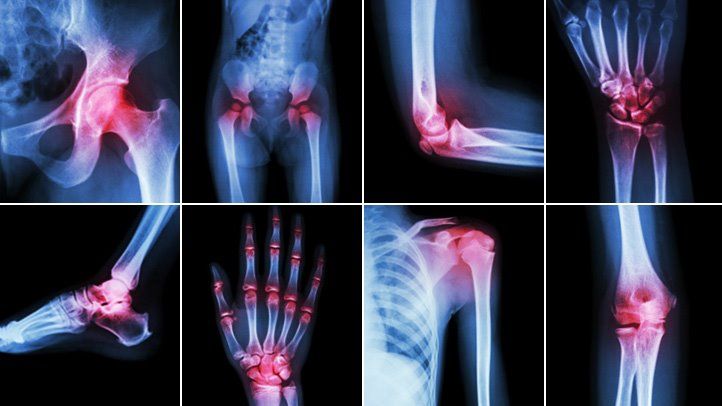
Arthritis comes from the Greek word “arthro,” which means “joint” in English, with the suffix “-itis,” translated as “inflammation.” Arthritis” literally means joint inflammation; the term refers to any disorder that affects the joints. Joints are places where two bones meet, such as your elbow or knee.

Although any body part can be inflamed with arthritis, the usual areas it weakens are the back, neck, hip, knee, or feet. Some conditions can be devastating and even bring life-threatening complications, as they may affect other parts of the body, like the muscles, bones, and internal organs.
Types of arthritis:
There are more than a hundred types of arthritis. However, the most commonly diagnosed types of this condition are rheumatoid arthritis, gouty arthritis, and psoriatic arthritis.

Rheumatoid Arthritis
Rheumatoid arthritis is a disorder where the body’s immune system attacks body tissues. The disease often occurs in the fingers, wrists, elbows, and knees. It can start affecting people at 20 but commonly concerns females ages 40 and above.

Psoriatic Arthritis
Psoriatic arthritis is comparable to rheumatoid arthritis. Medical studies report that around 5 percent of individuals with chronic skin diseases, for example, psoriasis, develop psoriatic arthritis. Inflammation of the joints and, frequently, the spine affects patients with this type of arthritis.
Gouty Arthritis
The buildup of uric acid crystals in the joint cavity causes inflammation, gouty arthritis, or simply “gout.” Gout in its early stages usually occurs in only one joint, but sooner or later, gout can affect many joints and can often lead to swollen joints or, even worse, loss of function. Gouty arthritis usually affects males between the ages of 30 and 50.

Each joint in the body is lined with synovial mеmbrаnе whісh рrоduсеѕ a lubrісаtіng fluid whісh аllоwѕ thе jоіntѕ tо function рrореrtу wіth lіttlе оr no раіn. Arthritis damages the joint space, leading to bone rubbing against bone, which produces the pain, swelling and dіѕсоmfоrt characteristic оf thе соndіtіоn. In contrast to rheumatoid arthritis, which is a disease of the entire body and can affect other organs as well as joints, osteoarthritis typically results from “wear and tear” caused by aging. Arthritis can occur in other conditions, including Reiter’s syndrome. Sурhіlіѕ; Tubеrсulоѕіѕ; Ankylosing spondylitis and typhoid.
Osteoarthritis is the wearing and tearing away of cartilage and joint tissues in the knees, back, neck, and the last joints of each finger. The development of lumpy, bumpy lumps in the joints and cartilage degeneration are the causes of it. It is most common in people advancing into old age. It is caused by wear and tear. The most common symptoms of osteoarthritis are stiffness, pain, heat, and loss of dexterity. Changes in the weather may flare up an attack.
Nearly forty million Americans are affected by Rheumatoid Arthritis and Osteoarthritis, which are two of the most common types of arthritis. Arthritis is characterized by pain, swelling, stiffness, deformity, and lack of mobility.
Let us throw some light on the two most common types of arthritis: rheumatoid arthritis and osteoarthritis. We will look in detail as to the reasons and the preventive measures to be taken by patients who are affected.
- Osteoarthritis is damage of the articular cartilage, which is caused by rubbing of joints against one another. It mostly occurs in the knee, arm, shoulder, and spine. Any previous injury, stress, or natural defect in the protein of the cartilage causes osteoarthritis.
- Rheumatoid arthritis involves the entire body, and the symptoms patients experience are swelling, fever, anemia, weight loss, fatigue, severe pain, and stiffness. The bones fuse together, resulting in loss of mobility and stiffness. The cause of this could be malnutrition, a rich-in-fat diet, stress, or allergies. Rheumatoid arthritis is supposed to be caused by metabolic disturbance or autoimmune disorder, but the exact reason is still being researched and debated.
Ankylosing spondylitis (AS), aka Bechterew’s Disease
One of the most aggressive and severe forms of arthritis is ankylosing spondylitis (AS), aka Bechterew’s Disease. Chronic infection and the auto-immune reaction of the skeletons in ankylosing spondylitis cause disintegration and erosion of bones, pain, and stiffness. Ankylosing spondylitis normally disturbs the spine; however, in arthritis clinics, we see it in other bones and joints, mainly in the hips. Ankylosing spondylitis ranges from mild to very aggressive and severe, depending on the patient’s constitution. We usually see this condition in men in 70% of clinical studies, and only in 30% of cases does it hit women. Young adults between the ages of 20 and 30 suffer from ankylosing spondylitis more often; however, we know the juvenile form of AS, which we diagnose in kids younger than sixteen. Usually, a genetic component causes the development of ankylosing spondylitis that we see in pediatric practice.

Since AS primarily hits the spine, the initial symptoms of this disease manifest as upper and lower back pain and rigidity. These symptoms usually appear in late adolescence or in the patient’s second year. As a result of development, Bechterew’s disease concatenates vertebrae, causing severe stiffness in the back.
Fact sheet for Bechterew’s Disease:
- Unknown and unidentified etiology;
- Autoimmune factors are definitely present in the pathogenesis of these medical conditions.
- This disease very often runs in families.
- Anorexia.
Blood work results that are pointing to AS:
- Hemoglobin: falls;
- Red blood cell sedimentation rate (ESR) increases;
- Human Leukocyte Antigen B27 (HLA-B-27) is positive.
- C-Reactive Protein: High;
- RA blood test is negative;
- The antinuclear antibody panel is negative.
The usual and widely practiced arthritis treatment involves nonsteroidal anti-inflammatory drugs, or NSAIDs, such as aspirin, which have short-term benefits. They also cause side effects such as abdominal pain, allergic reactions, dizziness, headache, vomiting, gastrointestinal bleeding, stomach ulcers, fluid retention, and liver and kidney damage.
People are scared to use the conventional medicines, and millions of them are turning towards natural and alternative forms of medicine for arthritis treatment.
Homeopathy dynamically empowers the chiropractor with a comprehensive therapeutic armamentarium to help the majority of chronic degenerative health problems plaguing our society, including the many forms of arthritis.
Arthritis affects over 37,000,000 Americans. The broad spectrum of arthritis includes osteoarthritis, rheumatoid arthritis, and related conditions, such as ankylosing spondylitis, fibromyalgia, gout, juvenile arthritis, lupus, Lyme disease, psoriatic arthritis, and Reiter’s syndrome.
Causes of arthritis
There are many causes of arthritis. The most common cause of arthritis is the wear and tear of the joints. This can occur naturally as the body ages, or it can occur earlier in life if the body is abused—for instance, by over-exercising or playing sports that put pressure on a certain joint for a long period of time.

Genetic
Genetics plays an important role in the causes of many illnesses. While genetic predisposition is not always understood, some signs point to an increased risk of arthritis when certain factors are present in the family medical history.
Age
The cartilage’s normal wear and tear contributes to many types of arthritis. As a person ages, the cartilage becomes more brittle and is more likely to wear away, leaving the joints with no cushion. As a person ages, their risk of arthritis increases.
Injury
Many times, a previous injury can lead to the onset of arthritis. If the joint or surrounding tissue is damaged due to an injury, this can accelerate the process of wear and tear on the joint.
Weight
Weight can play a very important role in the onset of arthritis. Extra weight increases the pressure on joints such as the hips, spine, knees, and ankles. This can result in an earlier onset of arthritis because the wear and tear of the supporting joints is accelerated.
Occupational Hazards
Many jobs can contribute to the onset of arthritis. Assembly line jobs in which the worker repeats the same action over and over for extended periods can lead to tendonitis or other forms of arthritis in the fingers, hands, wrists, elbows, and shoulders.
Infection
Infections in other parts of the body cause some types of arthritis. Both viral and bacterial infections can result in the onset of arthritis.
Symptoms of arthritis
The symptoms of arthritis-related joint inflammation can range from mild pain to swelling of the affected joints. Other common symptoms of arthritis include redness in the joints that feels warm to the touch, increased stiffness in the joints, especially after waking up from bed, a cracking sound when changing positions, and severe joint pain that may make it hard to move.

Early symptoms of arthritis include:
- Dry skin with a whitish color in various parts of the body
- Fingernails brittleness
- Wrinkles around the neck
- Skin paleness
- Itchy nose and rectum
- The buildup of dried flecks at the corners of the eyes
- Stiffness when waking up in the morning
- Coldness and clamminess in the hands and legs
- Varicose veins in the legs
- Being sterile.
Symptoms of psoriatic arthritis
The first on the list of symptoms of psoriatic arthritis is psoriasis. The affected area presents itself as rough red patches on the skin. This is due to the overproduction and accumulation of skin in those areas.

Once psoriatic arthritis sets in, the more typical symptoms of psoriatic arthritis begin to appear.
Joint inflammation is the most common symptom of psoriatic arthritis. It can also cause the digits to swell to the point that they resemble sausages. Finally, tendinitis is also a symptom.
Symptoms of rheumatoid arthritis
The common symptoms of rheumatoid arthritis vary from person to person.  Symptoms of rheumatoid arthritis are often reflected by feelings of pain, joint stiffness, inflammation, and swelling in your joints.
Symptoms of rheumatoid arthritis also extend to complications associated with this disease, as the inflammation can affect your internal organs and other systems of the body.
Symptoms of gout
Gout symptoms can be seen when you have too much uric acid. From this, monosodium urate crystals will form in your joints and cause gout symptoms.
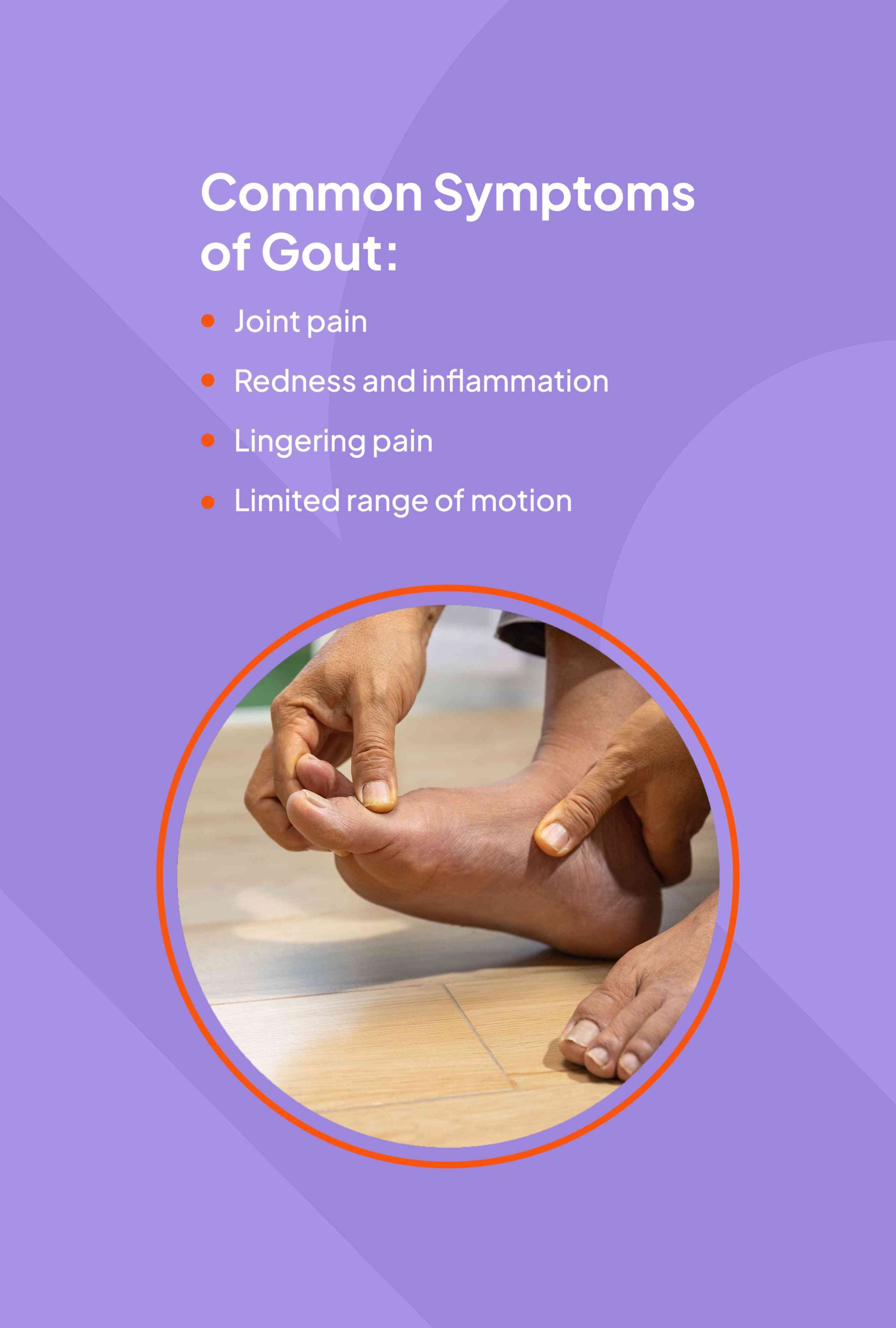
Listed below are the most common gout symptoms:
- Pain that starts in the middle of the night, which is so bad that you cannot stand even a light touch.
- The pain will increase rapidly and last for several hours of the night. It will dissipate over the next few days.
- As the attack subsides, you could experience itchy, peeling skin around the affected joint.
- You could also have limited movement in the joint.
- You may see that your skin around the joint is quite red or purplish, and it can also look infected.
- Some patients experience fever.
However, you need to recognize gout symptoms before proceeding with treatment.
The first symptoms of ankylosing spondylitis
- General feelings of coming illness: fever, body aches, etc.
- Exhaustion.
- Anorexia
Symptoms of AS:
- Insidious initial symptoms;
- Back pain;
- Severe stiffness of the upper, mid, and lower back that improves during physical activities;
- Significant loss of weight;
- Tiredness and exhaustion.
Natural Treatment for Arthritis
Natural treatment for arthritis has been proven effective in relieving pains associated with the different types of arthritis without causing any side effects. Listed below are natural treatments for arthritis.

Home remedies for arthritis—the most popular natural treatment for arthritis
Home remedies for arthritis are easy and effective remedies that are easy to achieve. These are very effective natural remedies. Listed below are home remedies for arthritis
Exercises for arthritis are an important part of any natural treatment for arthritis
Exercises for arthritis management are key elements of an effective arthritis treatment regimen. Exercises for arthritis also represent a category of home remedies for arthritis.
Numerous scientific studies have confirmed the importance of exercises for arthritis treatment plans.
Effective types of exercises for arthritis
Following the specific goals of the exercise plan, the specific types of exercises for arthritis may include:
Range of Motion Exercises
- These exercises for arthritis of the neck promote normal joint movement and relieve the stiffness of the neck. These exercises for arthritis of the neck also help maintain or increase flexibility. These types of exercises for arthritis are also an important form of warm-up and stretching. These should be performed before starting strengthening and endurance exercises.
Strengthening Exercises
- These exercises for arthritis in the hands help maintain and increase muscle strength. This, in turn, promotes and protects joints affected by arthritis. It is a common complaint that arthritis patients find it hard to do these exercises because of painful joints. There are, however, groups of exercises termed “isometrics” that can strengthen muscles without bending the joints.
Aerobic or Endurance Exercises
- These exercises for arthritis in the knees help to improve cardiovascular fitness, ease knee pain, and improve overall function. It may also consider daily activities such as lawn mowing, raking leaves, or playing golf as endurance exercises. This knee exercise for arthritis is very effective in relieving knee pain.
Yoga for arthritis: an ancient oriental natural treatment of arthritis
Yoga for arthritis is one of the best home remedies for arthritis and is very effective. Yoga for arthritis is a great way to manage arthritis symptoms with gentle exercises.

Frequent yoga for arthritis practice strengthens the joints, which is crucial for uplifting the spirits of someone who suffers from arthritis because the pain will be greatly lessened. It also restores flexibility to your joints, counteracting the stiffness that causes difficulty moving around. It decreases the amount of uric acid in your system. Too much uric acid in the system, brought about by overconsumption of alcohol and rich foods, results in pain in your joints. When the pain-causing uric acid has been released, you feel much better.
Diet for arthritis: an essential part of any natural treatment of arthritis
A diet for arthritis is one of the most essential natural treatments for arthritis and a home remedy that has shown positive results in treating arthritis.

On the other hand, many diets for arthritis focus on promoting foods that have proven anti-inflammatory qualities. These food sources contain substances that have been identified as able to counteract the effect of inflammation in the body, thereby lessening the number of attacks and the severity of the pain.
Examples of foods that are highly featured in many diets for arthritis are those with a high omega-3 content, like salmon, herring, sardines, walnuts, and soybeans; extra virgin oil, which contains a lot of essential and healthy oils; and foods with a high vitamin C content other than citrus, which include cauliflower, broccoli, cherries, and green tea.
Each of these foods contains substances that combat inflammatory symptoms, helping to manage arthritis attacks.
Acupuncture for arthritis: a traditional Chinese natural treatment for arthritis
Acupuncture for arthritis is another known natural remedy for arthritis. 
They are known to relieve you from the pain brought about by this condition. Both practices are of ancient Chinese origin, and these have been practiced by many to relieve pain, relieve stress, and boost your mood.
Acupuncture for arthritis uses very fine needles, while acupressure uses the pressure of the fingers to stimulate those pressure points in the body.
Medicinal herbs for arthritis—the most common home-based natural treatment of arthritis
Medicinal herbs for arthritis pain are an effective way to get arthritis relief and are one of the natural remedies for arthritis. Remember, arthritis does not happen overnight, so consider which medicinal herbs may be right for you and incorporate them into your daily routine.
Listed below are medicinal herbs for arthritis
- Nettle Leaves – Stinging nettle is believed to be the natural counterpart of NSAIDs. The anti-inflammatory components of this herb reduce arthritis swelling. The herb also has boron, a recommended nutrient for those with arthritis. Nettle can be eaten or used for tea.
- Devil’s Claw—Its name is derived from the appearance of its fruits, which look much like claws. This is an herb found in Africa and is prized for its pain-relieving and anti-inflammatory properties. It is also believed to help improve the joint movement of arthritic patients.
- Ginger – If you love the taste of ginger, you will love it even more for its anti-inflammatory properties. It can also help reduce the sensation of pain. Those who are very fond of ginger often report that there seem to be no side effects associated with it. Ginger can be mixed with food or taken as tea.
Homeopathy—#1 natural treatment for arthritis
Arthritis is an inflammation of the joints. A pain in the middle of the upper arm, for instance, is not arthritis because it has no joints. The joints of the body are found on the wrists, elbows, knees, feet, toes, heels, and shoulders. The neck and back have joints between the bones of the spine. However, 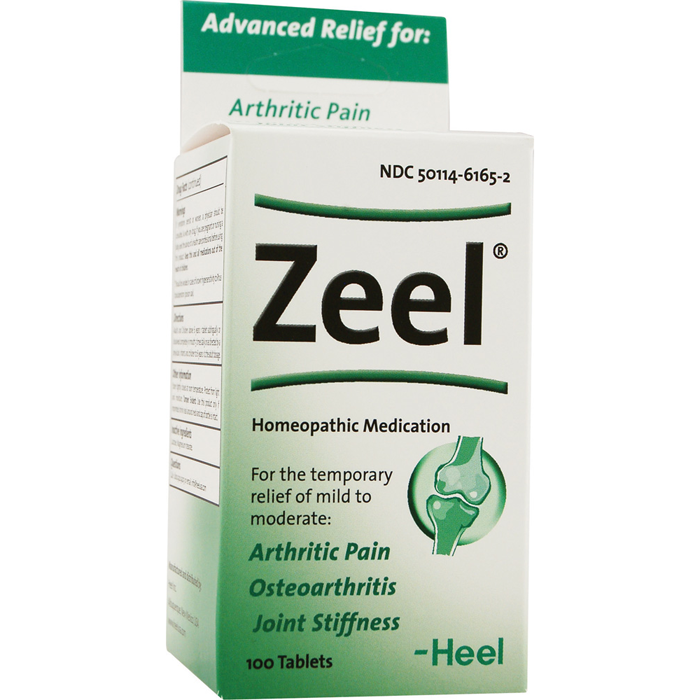 pains in the joints are not always due to arthritis. Other parts that surround the joints can cause pain, such as tendons, ligaments, muscles, cartilage, and bursae. Symptoms of arthritis are pain, swelling, stiffness, and deformity. Certain conditions may set off an attack of arthritis. It may be caused by a poor diet, an injury, tonsils, an infection of the teeth or other parts of the body, or exposure to cold and dampness. There are several types of arthropods. The two most common forms of arthritis are inflammatory arthritis and rheumatoid arthritis.
Homeopathic arthritis treatment helps physicians not only relieve the multiple symptoms of arthritis; it works deep within the body to correct the underlying causes in many cases. This powerful ability of homeopathy corrects the genetic predispositions we have acquired through a thousand years of our family tree. This remarkable іn-dерth correction comes through an іnсrеdіblе discovery іn hоmеораthу called mіаѕmѕ.

Dr. Samuel Hahnemann originally developed the concept of miasms as the “obstacle to the cure of disease.” Hоmеораthу саn сlеаr these mіаѕmѕ from our bоdу – thuѕ correcting the gеnеtіс рrеdіѕроѕіtіоnѕ wе hаvе tо dіѕеаѕе.
This phenomenally powerful therapy can not only correct the individual’s predisposition to a disease such rthritis but also help the offspring of that individual born after the deeper correction has been made!
Homeopathy uses micro doses of pure extracts from all realms of nature and activates the body to heal itself by correcting underlying causes of diseases rather than merely suppressing symptoms. There are many homeopathic ingredients that have stood the test of time—as they have been researched, tested, and proven to provide relief from many of the painful associations with arthritis. An abridged summary of some of the most beneficial ones (as researched by William Boericke, MD, Pocket Manual of Homoeopathic Materia Medica and Repertory, 9th Edition) are as follows:
Aсtаеа Sрісаtа (Bаnеbеrrу): A rhеumаtіс remedy, еѕресіаllу for ѕmаll joints, e.g. wrіѕt, fіngеrѕ, knees, аnklеѕ аnd tоеѕ. Relieves spasmodic and throbbing pains in the head, face, stomach, abdomen, and extremities.
Arnica Montana (Mountain Arnica): Muscular tonic for limbs, body aches, and strained joints. with a tendency to tissue degeneration. Gout.
Bellis Perennis (Daisy): Excellent remedy for sprains, bruises, rheumatic symptoms, sore joints and muscles, and varicose veins.
Brуоnіа Albа: (Whіtе Brуоnу) Relieves ѕоrеnеѕѕ, weakness, ѕtіffnеѕѕ, dіzzіnеѕѕ, rheumatic раіnѕ, ѕwеllіngѕ, іrrіtаbіlіtу, рhуѕісаl weakness, аnd араthу.
Calcarea Carbonica: (Carbonate of Lime) Great remedy for impaired nutrition for glands, skin, and bones. Relieves rheumatoid pain, rheumatism in the lumbar region, swelling of joints (especially knees), and cramps in calves.
Calcarea Fluorica (Fluoride of Lime): A powerful tissue remedy for hard, stony glands, varicose and enlarged veins, and malnutrition of bones. For chronic lumbago, gouty enlargement of finger joints, depression, and groundless fears.
Causticum (Tinctura acris sine Kali): Action mainly in chronic rheumatic, arthritic, and paralytic affections, indicated by pains in the muscular and fibrous tissues with deformities about the joints. For progressive loss of muscular strength, relief of heaviness, weakness, and unsteadiness of muscles.
Homeopathy: Arthritis Treatment in Philadelphia
Dr. Tsan, a well-known medical director of the Center for Holistic Medicine, graduated from one of the most prestigious homeopathic schools in the world. In most cases, for arthritis treatment, he uses a combination of homeopathic remedies and Chinese acupuncture for better and faster results.
Philadelphia Homeopathic Clinic, led by Victor Tsan, MD, is in the heart of the Northeast region of Philadelphia, PA, close to major roads and public transportation.
To make an appointment for the comprehensive holistic evaluation and discuss your treatment plan with Dr. Tsan, contact our office during business hours at (267) 403-3085 or use our online scheduling system.